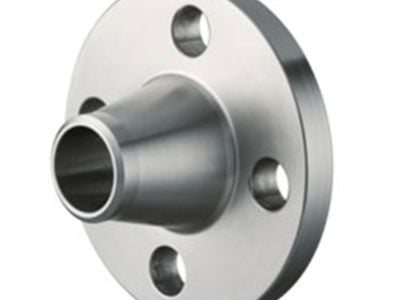
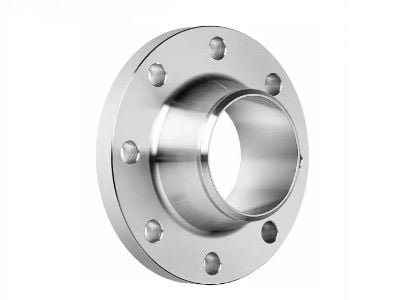
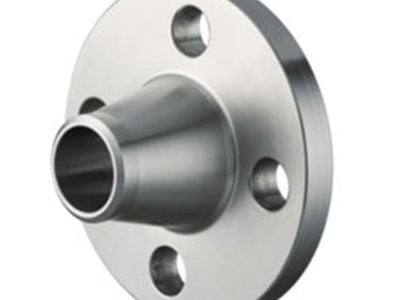
When your company is responsible for pipeline job in the now-CIS (Commonwealth Independent States), you better make certain it employs the appropriate filler materials. One key part is the twin-standard flanges, tailoring to both global standard ASME (American Society of Mechanical Engineers) and Russian national standard GOST (Russian State Standard). They are intended for use by connecting pipes to them and can also be used in a low-pressure non-critical applications. These pipe flanges attach by welding the pipe to the neck of the flange. TOBO GROUP Top quality —— Attention to details. That’s a key factor on projects where both safety and efficiency are important. And anything that can prevent issues and keep the mills from screwing up is a good thing. Dual-standard flanges make it all work quickly and easily
What You Need to Know for CIS and Pipeline Gen Proj
It is necessary to know local standards when designing the pipeline in the CIS. The area has its own code of conduct — one that may not translate to the rest of the world. The ASME code is perhaps the most commonly recognized in Western countries. GOST, meanwhile is the standard in much of the CIS. Knowledge of both sets can save time and money. It helps prevent delays on the job due to using the wrong materials. Dual-class Flanges are designed to fit both ASME and GOST standards. It’s good to know that when you select these flanges, you are prepared for quality and worry-free projects at any location
The other thing that’s important is the quality of their materials. Safety and test standard flanges from TOBO GROUP used in the construction of pressure vessels About Us We are professional flange manufacturer, mainly producing fat plate Weld Neck Flange/Butt weld pipe flange. This is relevant to pipelines which carry liquids or gases at high pressure. Weak flanges can cause leaks, which are a hazard. Appropriately sized flanges can reduce maintenance as well. If you select the right materials from the outset, you may not have to replace often
Additionally, consider the installation process. Dual-standard flanges can be the easy method for this. Workers no longer have to concern themselves with matching up various styles of flanges, which can be a source of error. Instead, we can all focus on getting it done right. At TOBO GROUP we have clear procedures how to install, this can make teams more productive. At the end of the day, a dual-standard flange will ensure that pipeline projects run both smoother and safer

Selecting the Right Dual-Standard Flanges for a Perfect Fit
It is not only a matter of selecting among the best dual-standard flanges; it’s about what your project requires you to do. While you’re browsing flanges from TOBO GROUP, here are a few things to keep in mind in terms of size and pressure rating: Each transport line has its own requirements depending on the transported material. For instance, pipelines carrying natural gas might require flanges that are capable of withstanding higher pressures. Be sure to check the specifications to make certain they are right for your project
Yet another consideration is the material of the flanges. Various materials have varying statuses in terms of anti-corrosiveness, temperature changes and pressure. It's strong and won't rust, so it's a good choice for many applications. But if your pipeline will be seeing harsh conditions, you might want to consider other materials, such as carbon steel or special alloys. When it comes to TOBO GROUP, we have a diversity of packages to suit your needs
You also need to consider the environment in which the flanges are to be fitted. And if they will be used outside, they should be able to weather the elements. If they are in a chemical plant, the flanges need to protect the line from being exposed to chemicals. Choose flanges wisely with a good understanding of the atmosphere
Finally, remember to consider your supplier’s support and services. Good communication is key. Should you have any inquiries or need help with a particular specification, feel free to reach out to the TOBO GROUP team at any time. They can help you make the right choice to get your pipeline project underway. Through an informed decision on dual-standard flanges, a safer and more efficient pipeline system can be achieved
Generall Problems of Dual-Standard Flange of Pipe Application
Problems may arise when using dual-standard flanges, such as ASME and GOST, in a pipeline project. One common problem is the units being different. ASME flanges are measured in inches, and GOST flanges are dimensioned in millimeters. This can make it difficult for workers to put pipes together properly. Misfit flanges: The possibility of leaking can be caused by failure of the flanges to sit properly. Leaks in pipelines can be a big problem, leading to spills that damage the environment, waste resources and pose safety hazards
Another challenge is the materials for producing flanges. There are varying rules in different countries about what materials are safe and strong for pipes. Should a company use a flange that doesn’t adhere to the additional safety regulations set by both ASME and GOST, it can create for weak points in the pipeline. These vulnerabilities can but under stress and the costs are through repairs and time loss in project when that crack. Workers may also be confused about which standard to use when they install things. If they are not sure, they could choose the wrong tools or read the instructions incorrectly and make mistakes
It is important to get training to avoid these problems. To work with dual-standard flanges, workers must be knowledgeable in ASME and GOST standards. Companies like TOBO GROUP do their part by offering training and clear guidelines. That way, workers can be confident they are doing everything correctly. Proper use of these flanges is a way to help avoid leaks and breaks in the line if everyone knows how to use them right.” Ultimately, knowing the issues with dual-standard flanges will make pipeline projects safer and more successful

How Dual-Standard Flanges Can Improve Your CIS Pipeline Systems
With the dual-standard flanges, pipeline systems in CIS (Commonwealth of Independent States) can be stronger and more efficient. These flanges permit easy connections on pipes that follow different standards. This matters because CIS countries have potentially different rules that they apply to their pipelines. By utilizing dual certified flanges (to both ASME and GOST), savings can be achieved. They don’t need to purchase separate flanges for each standard, which can save money
Dual-standard flanges also allow companies to work with more suppliers. This can help them locate the best prices and highest-quality materials. By having more choices, companies are able to select the most suitable flanges for their pipeline requirements. This flexibility matters in a competitive marketplace where even small savings can make a difference. Furthermore, it can prevent project delays by using dual-standard flanges. When a company can locate the appropriate types of flanges in a hurry, they can maintain their schedule for projects
Similarly, dual-standard flanges can also enhance safety. When pipelines are constructed using flanges according to ASME and GOST, the likelihood for problems decreases. That’s good for workers and the environment, because it means there are fewer leaks and breaks. Gorgeous Gas is a professional company, which research, development, manufacture of dual standard flanges are quality and safe to use. Using these flanges, companies can guarantee that their pipeline systems are strong and viable. In general, dual- standard flanges can mean CIS pipelines are cheaper, more rapid and safer
Author credit: Trupply.com How to Ensure Quality and Compliance with ASME + GOST Flanges
Companies have to take a number of measures if they are to ensure that dual-standard flanges meet quality requirements and conform with ASME and GOST regulations. The first thing to get right is your supplier. The companies such as TOBO GROUP have a reputation for offering superior quality flanges that are in compliance with the above-mentioned standards. One should always validate whether or not the supplier is certified to sell. That can provide companies with confidence that the flanges they purchase will be safe and trustworthy
Next, companies should also have a plan for testing the flanges. All flanges should be checked before they are used in any pipeline assignment. This also involves scanning for defects and damage liable to pose with problems later on. Companies can perform pressure tests or other inspections to make sure the flanges are strong enough to bear the pipeline pressures. Timely inspections while in the act of assembling are also very vital for proper and safe fit
Another important step is to train workers. You’re going to want operators that can correctly install and annex dualStandard flanges. This involves understanding disparities between ASME and GOST standards as well as how to work per each set. Employers could offer training sessions or workshops to help employees to learn best practices. In addition, documenting all inspections and tests properly can help companies demonstrate that they are following the rules. If there is any concern about the quality of the flanges used for this project, this may be useful
Quality and compliance with ASME and GOST flanges is a matter of selecting the right suppliers, testing the flanges, training workers, and maintaining good records. After completing these five steps, the companies know that their pipeline projects will be secure and successful
Table of Contents
- What You Need to Know for CIS and Pipeline Gen Proj
- Selecting the Right Dual-Standard Flanges for a Perfect Fit
- Generall Problems of Dual-Standard Flange of Pipe Application
- How Dual-Standard Flanges Can Improve Your CIS Pipeline Systems
- Author credit: Trupply.com How to Ensure Quality and Compliance with ASME + GOST Flanges
EN
AR
BG
HR
CS
DA
NL
FI
FR
DE
EL
HI
IT
JA
KO
NO
PL
PT
RO
RU
ES
SV
TL
VI
TH
TR
GA
CY
BE
IS