
 EN
EN
 AR
AR
 BG
BG
 HR
HR
 CS
CS
 DA
DA
 NL
NL
 FI
FI
 FR
FR
 DE
DE
 EL
EL
 HI
HI
 IT
IT
 JA
JA
 KO
KO
 NO
NO
 PL
PL
 PT
PT
 RO
RO
 RU
RU
 ES
ES
 SV
SV
 TL
TL
 VI
VI
 TH
TH
 TR
TR
 GA
GA
 CY
CY
 BE
BE
 IS
IS

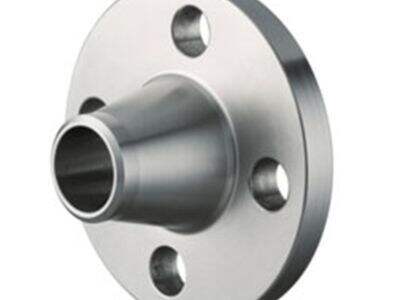
Pour les opérateurs impliqués dans des projets situés en Russie, déterminer le matériau approprié pour une bride peut représenter un défi important entre l'alliage de nickel et l'acier inoxydable. Chacun présente ses propres avantages et inconvénients, mais le bon choix peut dépendre de facteurs tels que le coût, la performance ou l'application. TOBO GROUP connaît bien ces défis et souhaite offrir des conseils clairs aux opérateurs afin de les aider à prendre les bonnes décisions.
Différences entre les brides en alliage de nickel et celles en acier inoxydable
Plus doux que les alliages de nickel et les brides en acier inoxydable ont une apparence similaire, mais présentent quelques différences clés. Les alliages de nickel sont composés presque entièrement de nickel, ce qui signifie qu'ils résistent extrêmement bien à la chaleur et à la corrosion. Cela les rend idéaux pour des conditions sévères, comme celles rencontrées dans l'industrie pétrolière et gazière. Ils peuvent supporter des températures extrêmement élevées ou basses, ainsi que l'humidité, une forte humidité et des pressions élevées sans se dégrader. Une bride en alliage de nickel peut être idéale pour un projet nécessitant durabilité et résistance à la corrosion.
Alliage de nickel contre brides en acier inoxydable
Choisir les brides appropriées pour votre projet peut sembler difficile, mais ce n'est pas une tâche insurmontable. La première chose à considérer est l'environnement dans lequel les brides seront utilisées. Les brides en alliage de nickel peuvent être le meilleur choix si vous travaillez dans un environnement fortement inflammable, à haute température ou très corrosif. Elles résistent mieux à ces conditions sévères que l'acier inoxydable. Par exemple, dans les industries de forage pétrolier offshore où l'eau de mer est injectée à haute température, les alliages de nickel constituent le choix naturel.
Brides de qualité en alliage de nickel et en acier inoxydable
Il existe de nombreuses entreprises qui les proposent Brides duplex à la vente, mais toutes ne peuvent pas vous offrir le bon rapport qualité-prix. Un fournisseur fiable à inclure sur votre liste est TOBO GROUP. Ils sont spécialisés dans différents types de brides en divers matériaux, notamment en alliage de nickel et en acier inoxydable. Vous pouvez consulter leur site web ou les contacter pour toute question.
Utilisation de brides en alliage de nickel par rapport à celles en acier inoxydable
Certains aspects importants à prendre en compte lorsque vous devez choisir entre un raccord en alliage de nickel et un raccord en acier inoxydable sont le coût. Soudures de brides sont plus chers que les raccords en acier inoxydable. En effet, l'alliage de nickel est composé de métaux spécifiques qui lui confèrent une grande résistance ainsi qu'une excellente protection contre la corrosion, particulièrement dans des conditions sévères. Et si les raccords doivent être utilisés sur un site exposé à des températures élevées ou à des produits chimiques, l'alliage de nickel peut s'avérer être le meilleur choix, même s'il est plus coûteux.
Prix des raccords en alliage de nickel et en acier inoxydable
De nombreux facteurs contribuent aux fluctuations du prix des raccords en alliage de nickel et en acier inoxydable. L'un des principaux facteurs est le coût des matières premières. Les brides en inconel 625 sont des types de métaux différents, et lorsque la demande pour ces métaux augmente ou diminue, leurs prix évoluent en conséquence. Si le nickel est fortement demandé parce qu'il est utilisé pour fabriquer des batteries ou d'autres produits, le prix des raccords en alliage de nickel peut augmenter.
Table des matières
- Différences entre les brides en alliage de nickel et celles en acier inoxydable
- Alliage de nickel contre brides en acier inoxydable
- Brides de qualité en alliage de nickel et en acier inoxydable
- Utilisation de brides en alliage de nickel par rapport à celles en acier inoxydable
- Prix des raccords en alliage de nickel et en acier inoxydable
