
 EN
EN
 AR
AR
 BG
BG
 HR
HR
 CS
CS
 DA
DA
 NL
NL
 FI
FI
 FR
FR
 DE
DE
 EL
EL
 HI
HI
 IT
IT
 JA
JA
 KO
KO
 NO
NO
 PL
PL
 PT
PT
 RO
RO
 RU
RU
 ES
ES
 SV
SV
 TL
TL
 VI
VI
 TH
TH
 TR
TR
 GA
GA
 CY
CY
 BE
BE
 IS
IS

Industry News
-
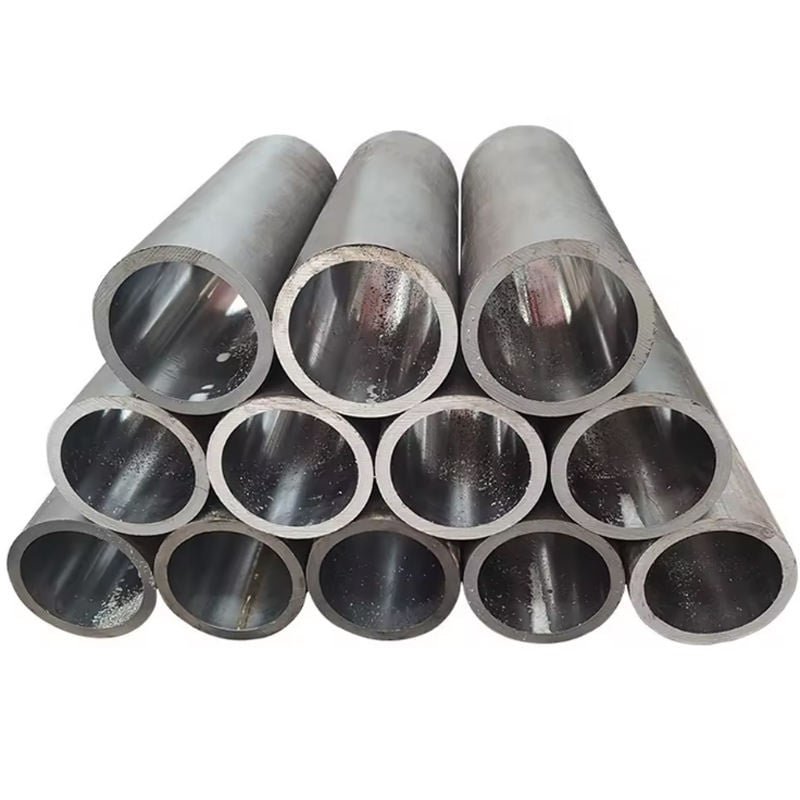
The Hidden Cost of Mixing Cu-Ni Tubes with Carbon Steel Flanges: A Galvanic Corrosion Warning for Procurement Teams
2026/09/22The tube arrives fully certified. The flange passes dimensional inspection. Both are correct per their individual specifications. Yet within 12–18 months of commissioning, the flange face shows deep pitting, the carbon steel bolts have seized, ...
-
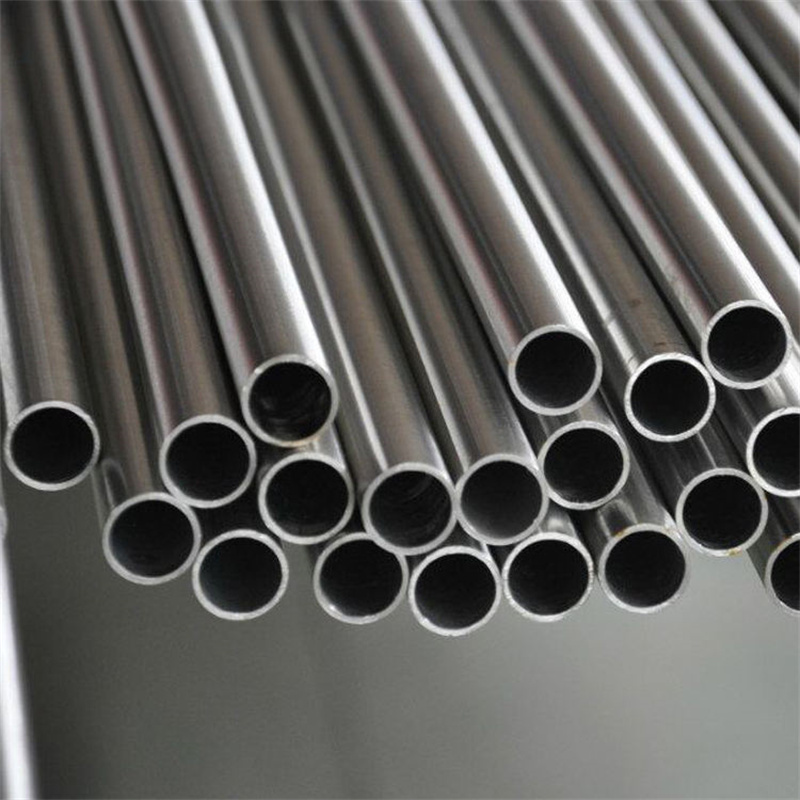
90/10 vs. 70/30 Copper-Nickel: How to Pick the Right Grade for Seawater Service Without Over-Specifying
2026/09/21If you are specifying copper-nickel piping or tubing for a seawater system, you have probably faced this question: should I go with 90/10 (C70600) or step up to 70/30 (C71500)? The safe answer is always “70/30 — it’s better.&rdqu...
-
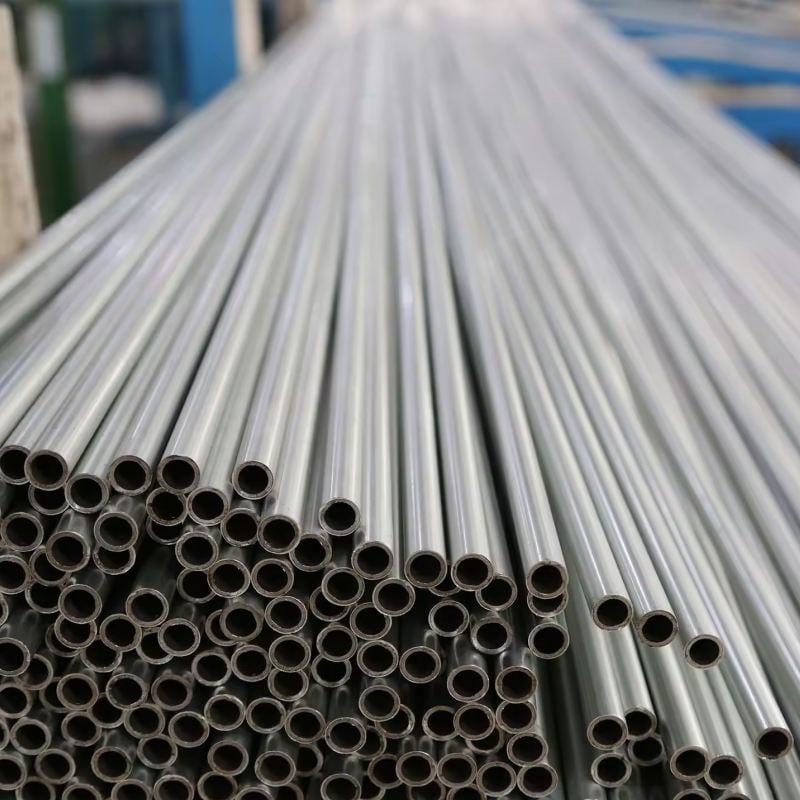
Hastelloy B3 Pipe Fittings for Hydrochloric Acid Service: Where It Excels and Where It Fails
2026/09/18Introduction Hydrochloric acid is one of the most difficult process media to handle. It attacks the majority of metals through a reducing mechanism that dissolves protective oxide films rather than reinforcing them. Carbon steel, stainless steel, cop...
-
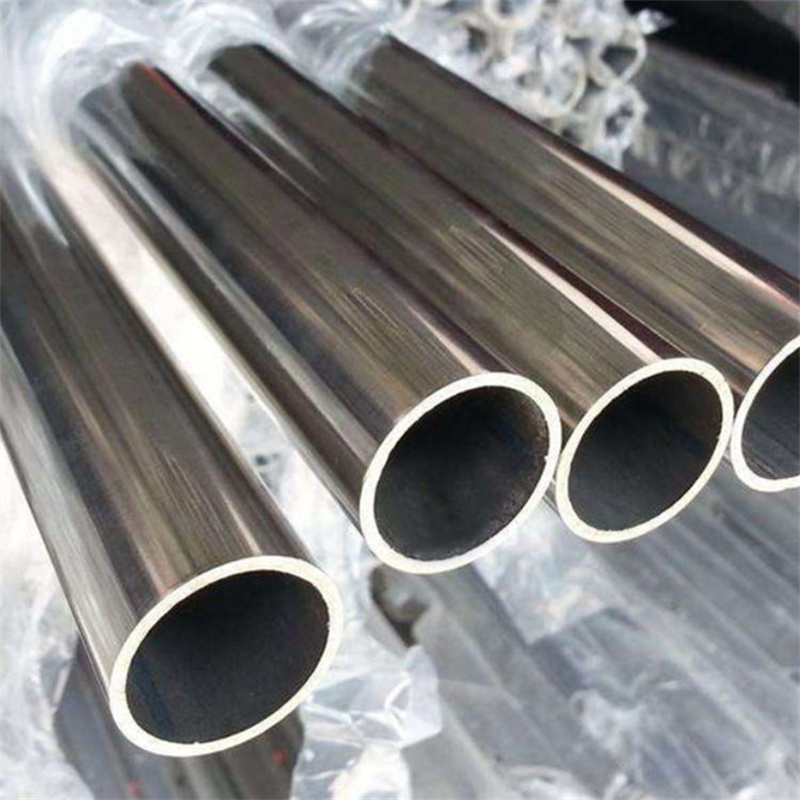
Hastelloy C-276 Pipe Fittings: Types, ASTM B366 Standards and Selection Criteria for Chemical Plants
2026/09/17Introduction Hastelloy C-276 (UNS N10276) is the alloy chemical plant engineers reach for when no other material will survive. With approximately 57% nickel, 16% molybdenum, and 16% chromium, it resists both oxidizing and reducing media — a com...
-
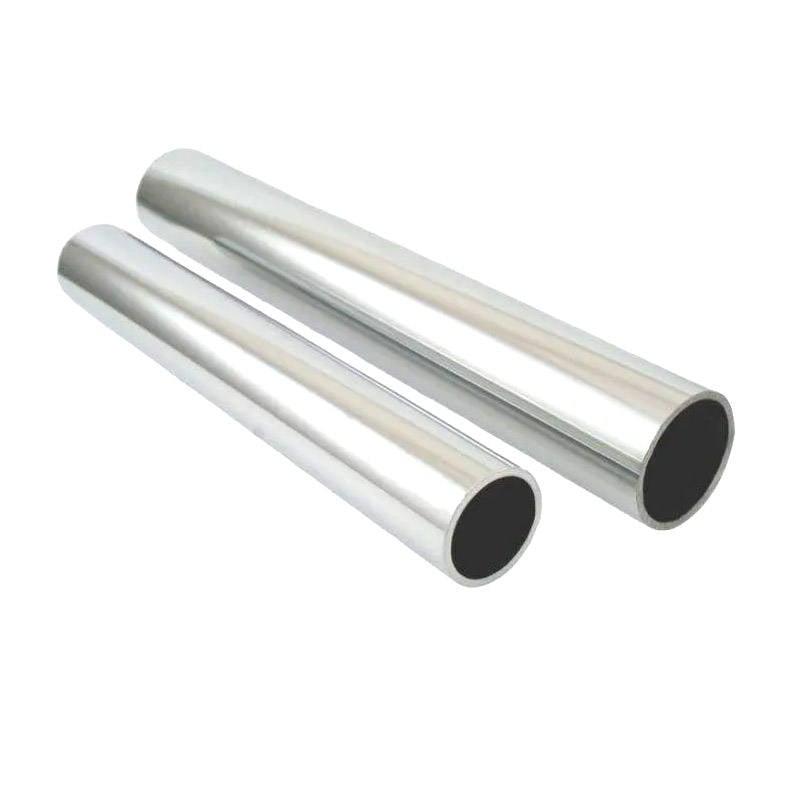
Nickel Alloy Pipe Fittings: 7 Questions to Ask Your Supplier Before You Place the PO
2026/09/16Introduction Nickel alloy pipe fittings — Inconel 625, Incoloy 825, Hastelloy C276, Monel 400 — are among the most expensive components in any offshore or process piping system. A single 6-inch butt weld elbow in Inconel 625 can cost more...
-
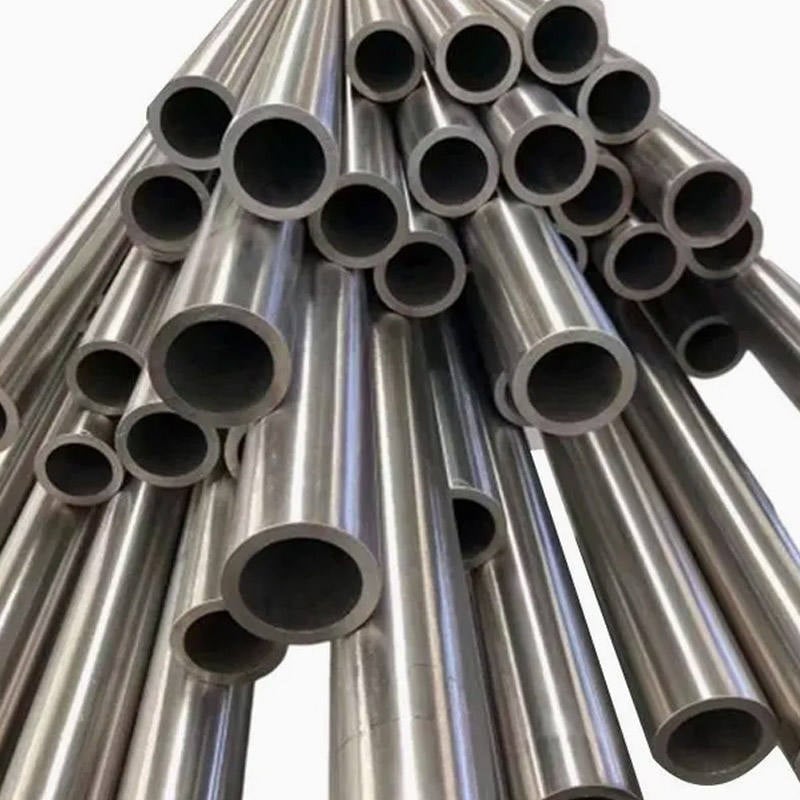
How to Calculate Total Cost of Ownership for Nickel Alloy Piping Systems (And Justify It to Your Finance Team)
2026/09/15Introduction Your finance team sees a line item: 500 meters of Inconel 625 pipe at roughly 8 times the cost of carbon steel. The question that follows is predictable: "Why are we paying 8x for pipe?" The answer is not "because the alloy is better." Y...
-
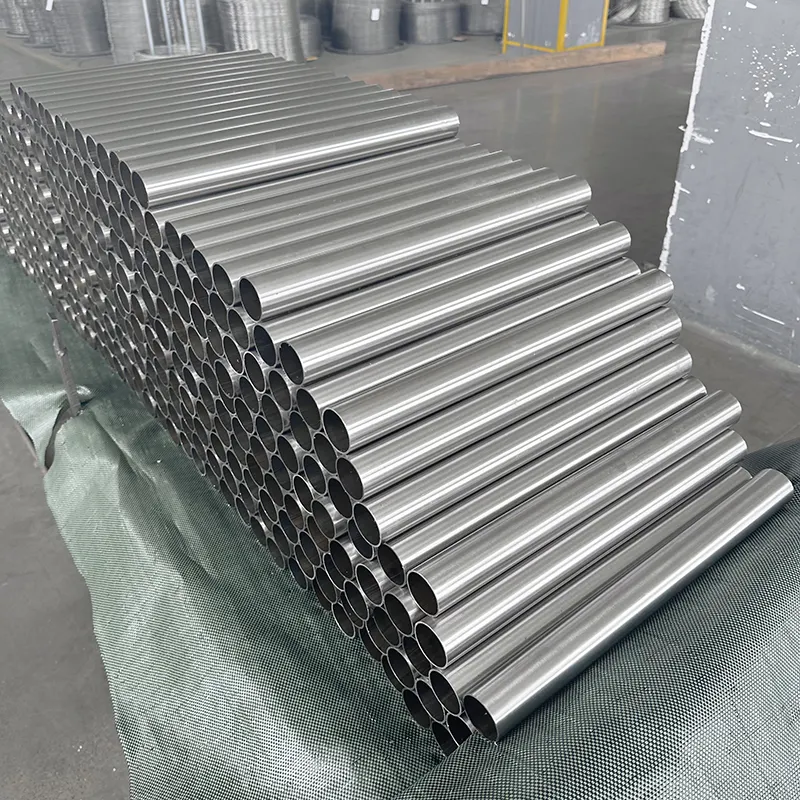
Threading Corrosion-Resistant Alloy Pipes: Why Standard Tools and Procedures Fall Short
2026/09/14Introduction Threading corrosion-resistant alloy (CRA) pipe with the same tooling and procedures used for carbon steel is a reliable way to produce damaged threads, rejected fittings, and field failures. The materials behave differently at the cuttin...
-
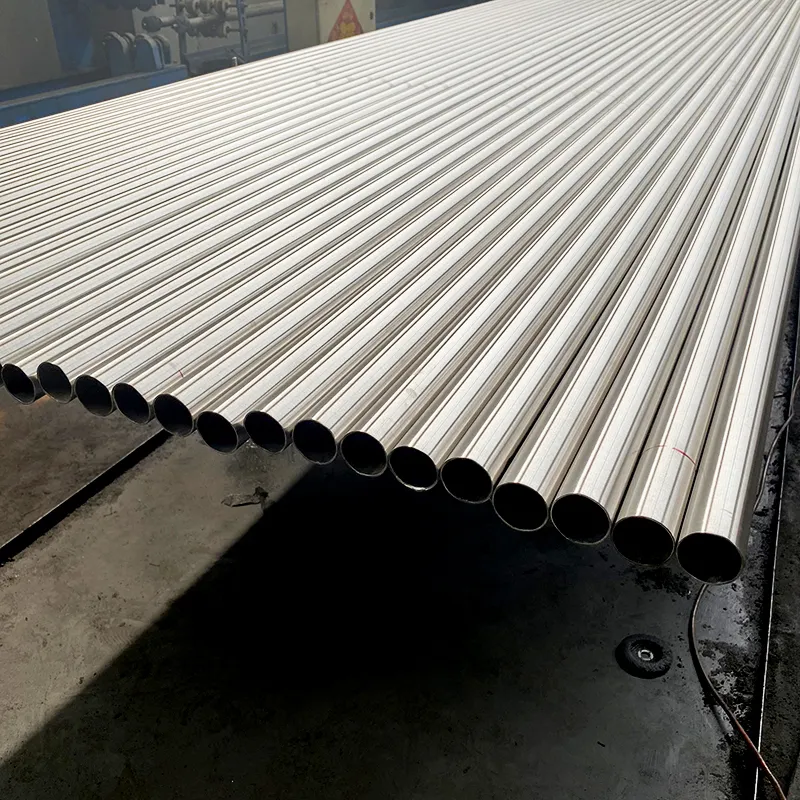
Hydrogen Induced Cracking in Nickel Alloy Fittings: What Sour Service Conditions Mean for Your Material Choice
2026/09/11Introduction There is a persistent assumption in oil and gas project engineering: once you upgrade from carbon steel to a nickel alloy, the hydrogen cracking problem disappears. The carbon steel HIC problem — hydrogen atoms diffusing into the s...
-
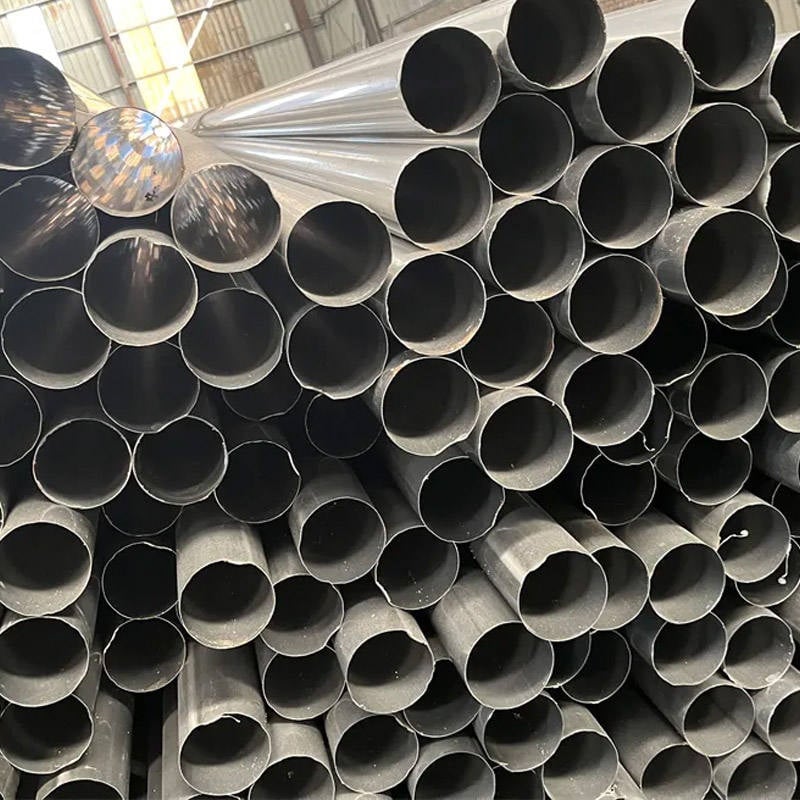
Inconel 625 vs. Incoloy 825 for Offshore Piping: A Material Selection Guide for Project Engineers
2026/09/10Introduction Inconel 625 and Incoloy 825 sit in the same commercial bracket of nickel-based alloys, are both listed in NACE MR0175, and both appear on offshore piping specifications for chloride-containing service. Yet they solve fundamentally differ...
-
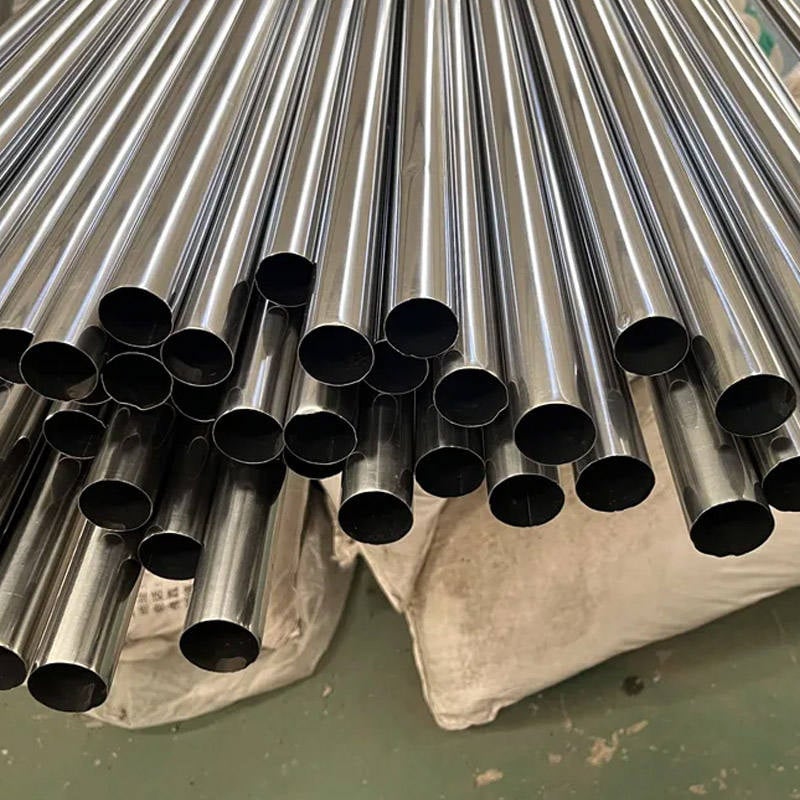
Super Duplex 2507 vs. 2205: Which Grade Actually Justifies the Price Premium for Your Project?
2026/09/09Introduction The 2205 vs. 2507 decision keeps resurfacing on every project that involves chlorides. Suppliers quote both grades. The price difference is real — 2507 typically costs 30–50% more per kilogram than 2205. But the material cost...
